Why you may need to wear a mask even after a covid-19 vaccine
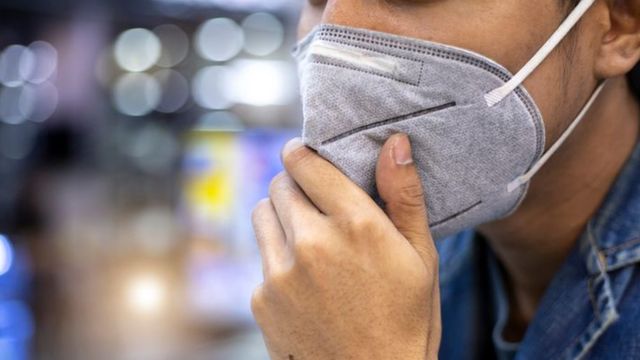
Even after taking the vaccine, wearing a protective mask will be necessary, warn doctors
One of the vaccines that have already proven effective against covid-19 - that of Pfizer - has been distributed in the United Kingdom since Monday (8/12), and there is a prospect that next year some of the vaccines against the disease will be available in Brazil.
What will be the first thing you will do after getting the vaccine? If he was already making plans to abandon the mask immediately, travel, go to the club and see everyone he could not find in almost a year of the pandemic, doctors and infectologists warn: in fact, life will not return to normal soon after get the vaccine.
"After taking the vaccine, it is necessary to return home, maintain social isolation, wait for the second dose and then wait at least 15 days for the vaccine to reach the expected level of efficacy", explains biologist Natália Pasternak, president of the Institute Question of Science. "And even afterwards, it is necessary to hope that a good part of the population has already been immunized for life to return to normal."
There are three reasons for this. Understand.
This antigen can be a deactivated (dead) virus, a weakened virus (unable to make someone sick), it can be a piece of the virus, some protein that resembles the virus, or even a nucleic acid (such as the RNA vaccine ).
The antigen causes an immune response, that is, it makes the body capable of recognizing that virus and producing antibodies to fight it, explains doctor Jorge Kalil, director of the Incor Immunology Laboratory.
Next time you come into contact with that virus, the body will already have the memory of how to fight it and will be able to face the threat quickly and efficiently, preventing the virus from contaminating the body.
This response is called the adaptive immune response and it is specific to each virus. "It is a response that takes a little longer, it is at least two weeks before the body learns to recognize and fight the virus with the help of the antigen", explains Natália Pasternak.
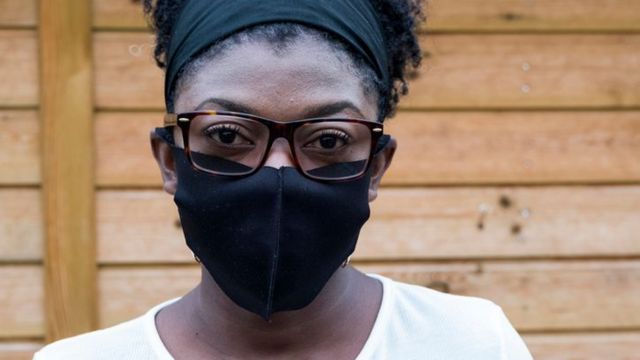
That is why after taking a vaccine - whether against the coronavirus or against any other disease - you are only really protected after a few weeks, explain the scientists. It is as if the body needed time to "process" that information and react appropriately.
In an unvaccinated person, Sars-Cov-2, the virus that causes covid-19, enters the cells of the respiratory system and starts using them to produce more viruses. It is as if it produces "zombie cells" that work for it.
The first immune response produced by the body after vaccination is the production of antibodies, which bind directly to the virus and prevent it from entering the body's cells and using them to produce more viruses, explains Pasternak.
That is, in an immunized person, the body already knows the virus because of the vaccine and from the moment the pathogen enters the body, antibodies are released that prevent the contamination of cells.
But there is a second type of immune response, called a cellular response. "They are cells - called T cells - that do not bind to the virus, but recognize when a cell is contaminated with the virus and destroy it," explains Pasternak.
That is, if a virus manages to escape the antibodies and contaminate any cell in the body, T cells function as "hunters" and destroy this "zombie cell", preventing more viruses from being produced.
The cellular response takes a little longer than the response through antibodies - another reason why the immunization is only complete a few weeks after taking the vaccine, explains Jorge Kalil.
"After 15 days, we already expect there to be a cellular response from the immune system," says Kalil, who is also a professor at the Faculty of Medicine at the University of São Paulo (FMUSP).
Two doses against coronavirus
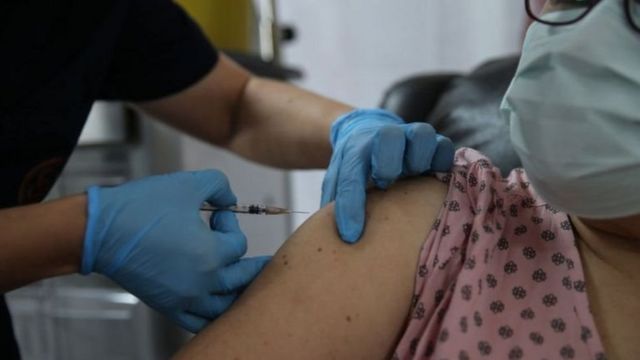
Vaccination in Brazil should start early next year
In addition to the time the body needs to develop the immune response, in the specific case of coronavirus another question makes it necessary to maintain protective measures for some time after vaccination: most vaccines being developed against the disease require two doses to achieve the expected effectiveness.
Two doses will be needed in the four vaccines that have already proven their effectiveness: that of Pfizer, that of Moderna, that of Oxford / AstraZeneca and Sputnik V. This is also true for Coronavac, which is being developed by Instituto Butantan in partnership with the pharmaceutical company Sinovac.
"In the case of vaccines that we are likely to have available against the coronavirus in Brazil, the orientation will be to take the first dose, wait a month, return to the clinic, take the second dose and maintain all the care against the pandemic, such as social isolation and use of masks, for at least 15 days. Only then will you be protected, according to the effectiveness of each vaccine ", explains Jorge Kalil.
The first dose, explains Natália Pasternak, is what scientists call a prime boost. "It is as if it wakes up the body to the virus, gives an 'initial boost' to the immune system. The second dose generates a better immune response," he explains.
The amount of doses required varies widely with the formulation of the vaccine. The yellow fever vaccine, for example, only requires one dose.
Among the 200 vaccines under development against the coronavirus, there are some that would be in a single dose, but they are not at as advanced stages of development as those that will require two doses.
"When you can do it in a single dose it is better, because from a public health point of view, it is a challenge to make people go back to the clinic to take the second dose. People forget, they think they don't have to," explains Pasternak.
Combining the time needed between one dose and another and the time the body needs to produce the immune response, it will take at least a month and a half for someone who has been vaccinated to be considered immunized.
But, even after that, it will take time for life to return to normal - and until the majority of the population is vaccinated, the guidance is for even the vaccinated people to maintain the measures.
Is it true that the vaccine cannot prevent coronavirus contamination?
No, explain the scientists, because if there is good vaccination coverage, a vaccine can greatly reduce the circulation of the virus through the so-called herd immunity.
It is true that individually, if only one person takes it, no vaccine is 100% effective, and this is also true for those against covid-19. The Pfizer vaccine, for example, is 95% effective, according to the results of the third phase of testing.
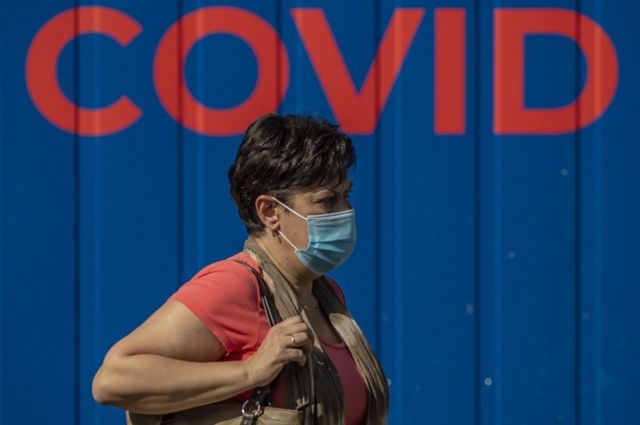
WHO estimates that the vaccination coverage needed to stabilize and contain the pandemic is 80% of the population
This means that there is a 5% chance that that specific vaccine will not produce an immune response in the body of the vaccinated person. But how then do vaccines prevent the virus from spreading if there are some people who can be infected?
"The vaccine works through herd immunity, which is a vaccine concept", says Jorge Kalil.
The virus passes from person to person, explains the doctor, and to be able to spread it needs to find people susceptible to the disease. "The vaccine reduces the number of susceptible people, so significantly that the virus cannot find any more circulation and is contained. That is how we eradicated smallpox," explains the doctor.
Herd immunity is important not only because the vaccines are not 100% effective, but because there are many people who cannot even take the immunizer.
"There are people who cannot receive it either because they are not old or because they are not part of the vaccination program - the vaccines against the coronavirus have not yet been tested in children, in pregnant women", explains Kalil. People with a disease that compromises their immune system also cannot be vaccinated.
"When there is minimal vaccination coverage for the population, these vulnerable people are protected by herd immunity," explains Kalil.
In the case of the coronavirus, the WHO estimates that the vaccination coverage necessary to stabilize and contain the pandemic is 80% of the population, ideally 90%.
To get an idea of the importance of vaccination coverage, when there was a drop in measles vaccination coverage - from 96% in 2015 to 86.5% in 2018 -, several outbreaks of the disease happened across the country.
That is why it is important that, even those who have already had the vaccine and waited a month and a half, should not abandon measures against the pandemic.
In the case of vaccination against coronavirus, it should take some time before the vaccine reaches the majority of the population, even after approval by Anvisa (Health Surveillance Agency). The production of millions of doses is not something that happens overnight. There are also issues such as government agreements with pharmaceutical companies, the waiting list in several countries, the difficulty in distribution and storage (some vaccines need to be stored at temperatures well below zero ), etc.
The Ministry of Health has a list of people who will be given priority in receiving vaccines. The first should be people over 80 and health workers. Then, the elderly between 60 and 79 years old and people at risk, such as those with chronic respiratory diseases, should receive the vaccine. There are still three other priority groups, and only then will the general population be vaccinated.
"It is important that whoever receives the vaccine first maintains measures to combat the pandemic because, even after a month and a half, even if they are immunized, there is no guarantee that they cannot be a vector of the disease until there has been herd immunity. "says Pasternak.
The scientist explains: the vaccines tested so far prevent the virus from reproducing in the body and making the person sick. But there are no tests, for now, to prove that this person will not transmit this virus - which in his body is being fought by antibodies - to other people.
The summary of all this is that, even if you have already taken the two doses of the vaccine, waited another 15 days, you have to wait until the majority of the population is vaccinated for life to return to normal, advises Jorge Kalil. This is so much to protect yourself, if you are in the small group of people for whom the vaccine will not have an immunizing effect; and to protect other people - until the herd immunity generated by the wide vaccination coverage is able to contain the pandemic for good.


No comments:
Post a Comment